24x7 Security Control Room Monitoring: How AI Analytics Support Guards on the Ground

Planning a high-profile wedding in Mumbai? See how professional wedding security manages guest access, VIP arrivals, vendors, valuables and family movement.
A business based in Mumbai can have its staff regularly trained to continuously monitor its premises without the need to employ an extra guard. With remote security monitoring services, a control room which operates around the clock keeps a watch on the camera feeds, picks up any alarm signals and, in a matter of seconds, decides if an event is genuine.
Using AI analysis, normal movement is distinguished from a real threat, after which the on-site guards take action according to the confirmation given by the operators. The following guide outlines how a security control room functions, the role of camera analytics, and the process by which incidents are passed on to your on-site team, so that you can decide whether a combination of physical and electronic security measures is appropriate for your premises.
What constitutes a 24 x 7 security control room?
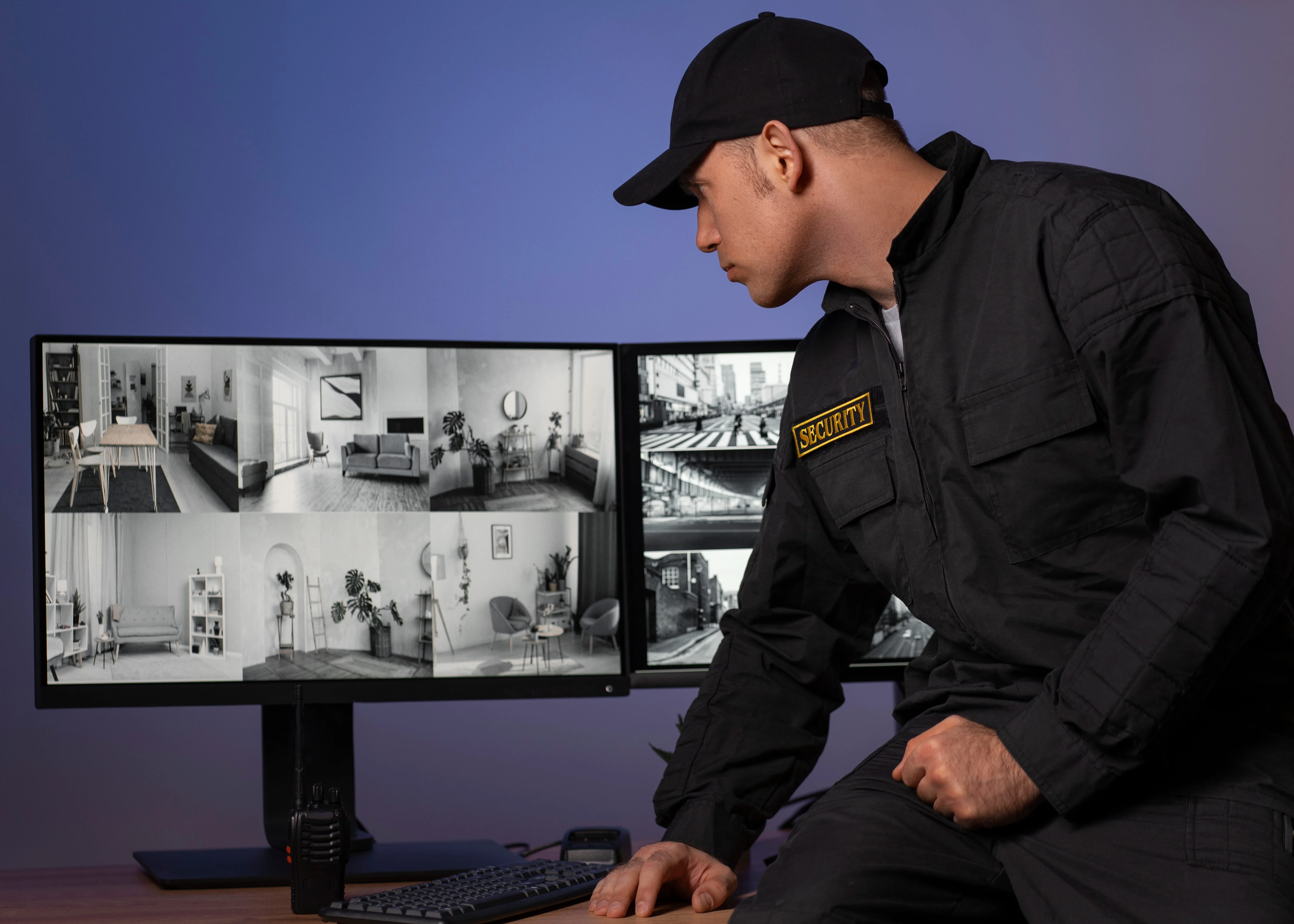
A security control room functions as a command centre with people on duty within it and which gets live feed from cameras, alarm signals and access-control events coming in from one or more sites; the operators carry out the procedures which have been put in writing, keep a record of each incident and make quick contact with the appropriate person. Remote security monitoring services can be provided for buildings that are unable to afford to have their own monitoring desk.
A typical control room receives signals from:
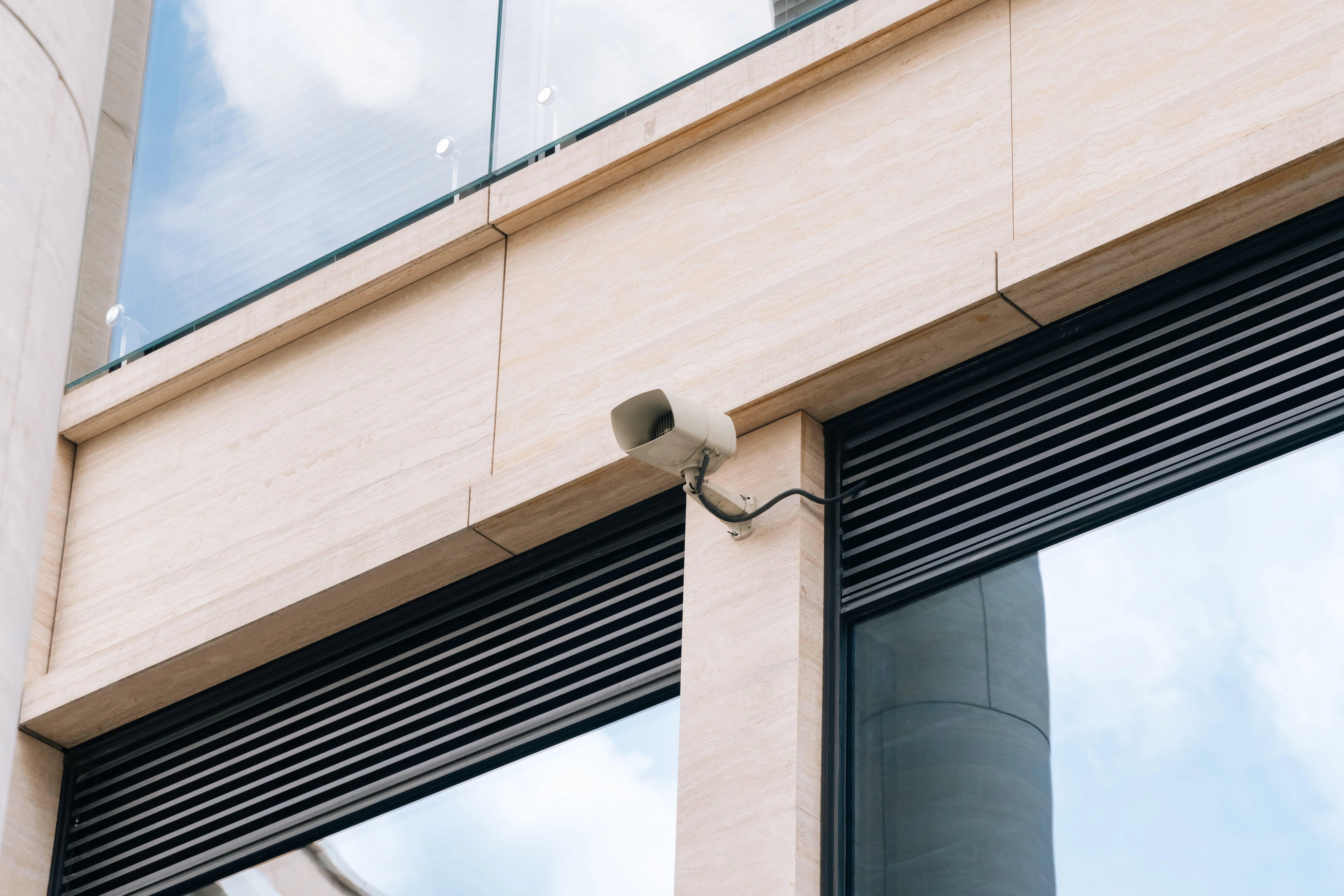
- CCTV cameras at gates, perimeters, lobbies and parking areas
- Intrusion alarms and door contacts
- Panic buttons and access-control readers
- Guard patrol check-ins
The technical security solutions offered by VictorSquad consist of a system which has command and control centres, CCTV, alarms, and smart intrusion detection.
How Alarm Verification Works
An alarm can provide any benefit only if it is checked by someone; door sensors may be activated by the wind, by animals, or as a result of mistakes made by the staff, and if the alarm verification is not carried out the guards will eventually have to visit each and every trigger and thereby lose faith in the system.
The verification sequence
- The message from the alarm includes the site, the zone, and the time.
- The operator turns on the closest cameras, even if they are live ones or ones which are recorded.
- The operator has to decide whether the event is a genuine intrusion, a false alarm, or if it is not clear.
The actual events, even though they are vague, are quickly upgraded. False alarms are recorded in the records and then got rid of.
Good control rooms should also keep a record of how each alarm was dealt with, since this helps in identifying faulty sensors and unnecessary call-outs over time.
You should look into events that lie outside your own area, since the Security Industry Association states that in order for a response to be verified it is essential to have audio, video or a human confirmation of a crime as it is happening, and some US cities have adopted this method.
Where AI Analytics Support the Operator
AI analytics won’t take the place of operators; instead, they act as a filter. The camera analytics identify the cases that a human operator would otherwise have to search for after having watched the footage for hours, and so the operator is only given those which merit attention:
- Line-crossing or perimeter breach detection after hours
- Loitering in restricted zones
- Person and vehicle detection at gates, which reduces triggers caused by animals and shadows
- •Unattended objects in lobbies or loading bays
Each alert is sent to the operator together with a snapshot and a short video clip. The operator then has the choice of confirming the alert or ignoring it. Remote security monitoring services can therefore remain quick without having to pass over a security decision to software. The reliability of remote security monitoring services at night: a time when people’s attention wanes and the volume of footage increases, is the result of combining well-tuned analytics with human operators.
Escalation to the On-Site Team
Verification has little value unless there is a response; it is only when a clear escalation procedure exists that a confirmed alert becomes on-the-ground action.
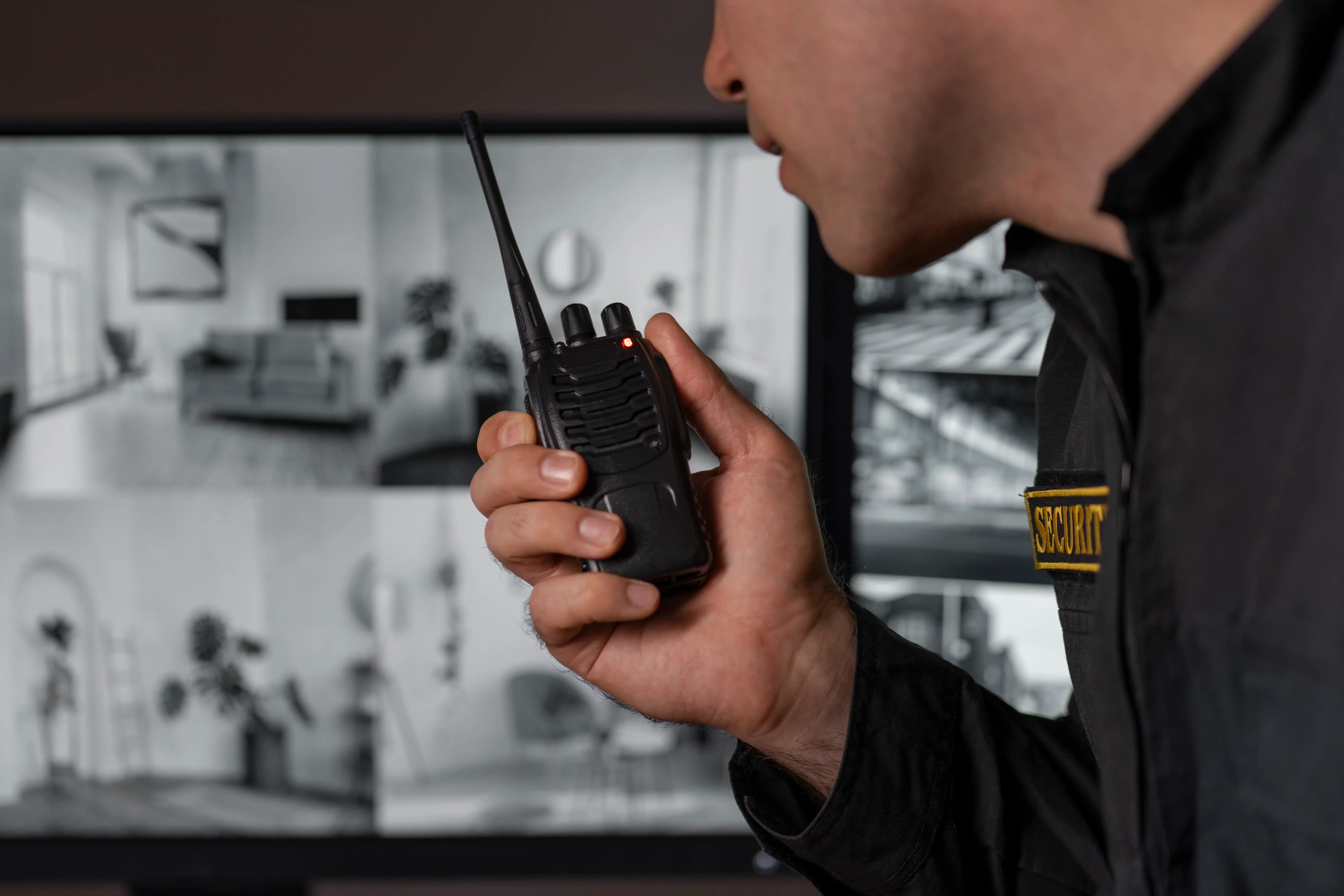
- The operator will either phone or use a radio to contact the site supervisor or the nearest guard, informing them of the exact position and describing what the camera shows.
- The guard replies at the same time as the operator is observing the transmission and then passes on instructions to the guard by means of radio.
- As soon as the threat has been confirmed the operator will notify the site manager and then call the police on 112 or another emergency service.
- The situation comes to an end when the operator records it with a timestamp and saves the clip.
The use of simple radio communication together with having a specific person in charge of handling escalation cases at each location avoids delays, and it is in this scenario that a hybrid system proves most effective. The control room ensures speed and keeps records, while the trained security guards provide a physical presence and use their judgement. The guards remain focused on their patrols and on the access points rather than pursuing each false alarm.
Benefits of Combining Physical and Electronic Security
A guard team is more effective than remote security monitoring services when the latter is used instead of the former. The practical advantages are:
- A quicker response: the operators notice the problem before the guard does.
- The number of false alarms has decreased because the verification process has eliminated the harmless triggers.
- 24-hour coverage: The level of attention paid to the nights, weekends, and holidays is identical to the attention given during normal office hours.
- There is even more evidence since each incident is associated with a logged entry that contains a timestamp and a video clip.
- Guards are assigned more thoughtfully. They focus on patrols, access desks, and managing visitors.
What to Look for in Remote Security Monitoring Services
One might not be correct in saying that all providers actually operate a 24x7 control room. Ask yourself the following questions before you agree.
- Is there always a trained operator on duty in the control room?
- Does each website have a written escalation matrix?
- Is the response time specified in the service agreement referred to?
- Are daily logs and incident clips received by you?
- Might it be the case that the same company responsible for supplying the on-site guards is the one that ensures the escalation remains within a single team?
- Does the guard provider have a licence under the Private Security Agencies (Regulation) Act of 2005?
You can also see how VictorSquad looks after its security teams, which are led by veterans and are disciplined.
Conclusion
The security guards on the ground are able to respond more quickly and with better information thanks to the 24-hour control room, reliable alarm verification, and the use of targeted camera analytics. When considering different options for remote security monitoring services, check how alarms are verified and how incidents are escalated to the on-site team. To discuss a hybrid physical and electronic security setup for your premises, contact VictorSquad for a site assessment.
Frequently Asked Questions
What do remote security monitoring services entail?
These are the services that have a control room staffed with people situated at some distance from you, in which the cameras and the alarms are monitored and checked to see whether any events have taken place, and who then notify your on-site team or the emergency services if it is necessary to do so.
What do the operators do to verify that an alarm is real?
The operator pulls up the feed, and both the live feed and the recorded footage are checked before a decision is reached as to whether the event represents a real intrusion, a false alarm or is unclear; those events which are regarded as unclear are treated as genuine until they have been proven otherwise.
Can the use of AI analytics mean that security guards have become unnecessary?
The analytics pick up on any unusual activity and also help to reduce the fatigue resulting from staring at the screen, even though the guards still give a physical response and it is up to the operators to make the final decision.
How fast does the alert get to the on-site team??
The escalation procedure should be started as soon as the operator either establishes that there is a threat or is unable to rule it out. The response times for each target must be agreed in writing so that they can be measured.
Can a single control room keep an eye on more than one site?
Certainly. Many businesses have one control room via which they keep an eye on their offices, warehouses, and campuses, and for each location they have a separate person who receives the escalation.
Are remote security monitoring services appropriate for small offices?
Yes, It is in fact true that smaller premises derive the greatest advantage since they can have 24-hour coverage without the necessity of having a full guard team on duty the entire time.